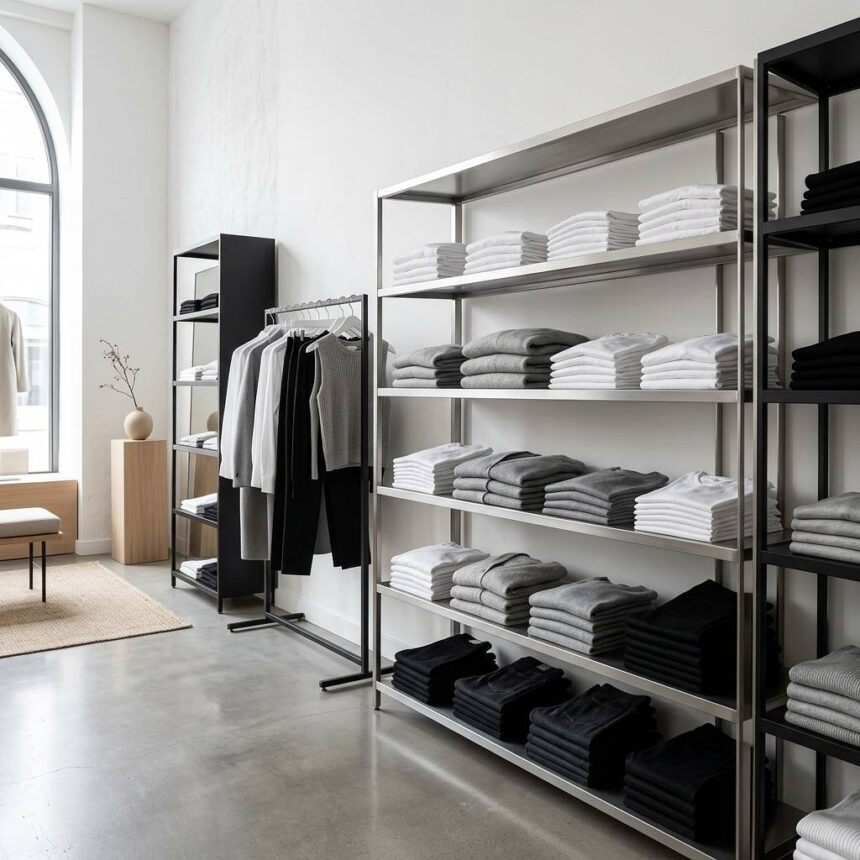

The capsule wardrobe concept has moved from editorial shorthand to genuine retail strategy. Boutiques that have built their product mix around investment-quality basics – pieces that customers buy intentionally, wear repeatedly, and replace when worn out – are finding that this approach generates a customer retention profile that is structurally superior to trend-driven retail.
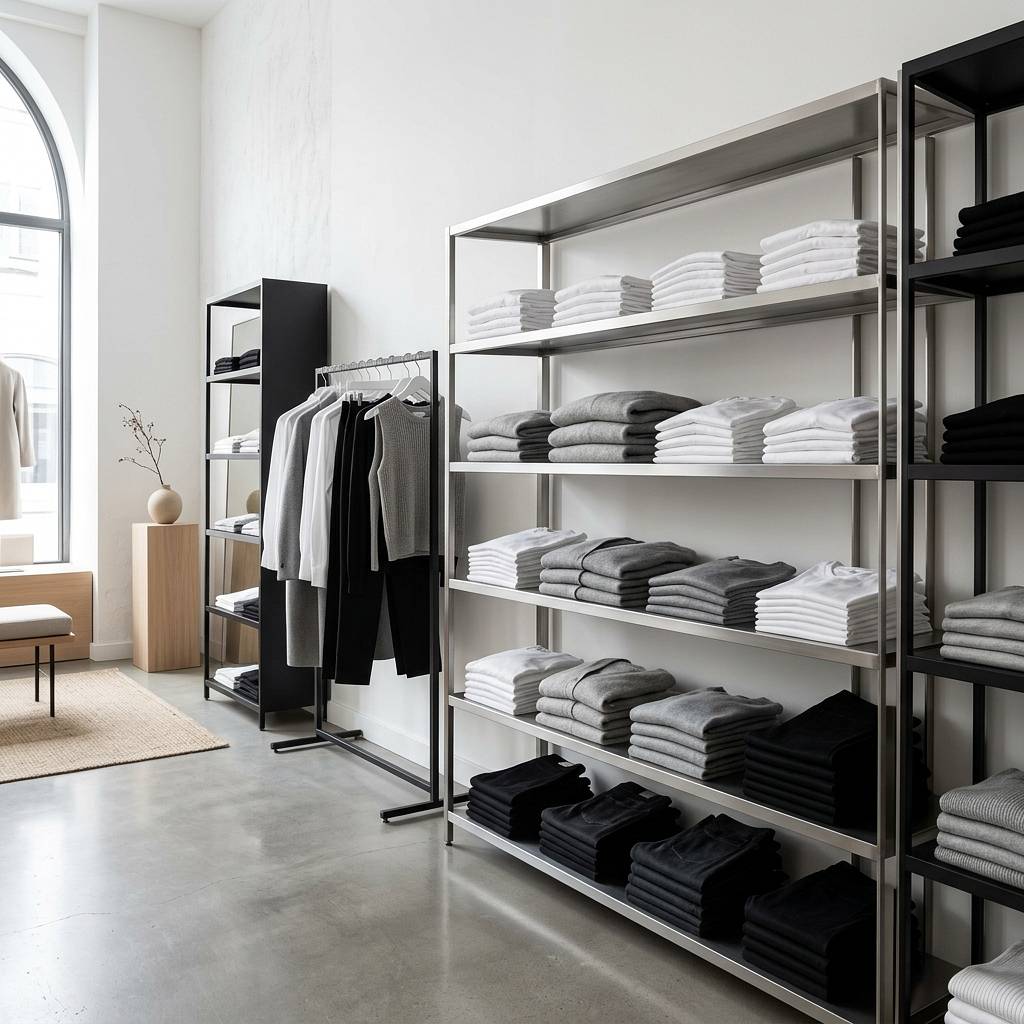
Among the brands anchoring effective capsule wardrobe retail strategies, Calvin Klein occupies a distinctive position. Understanding how boutiques are accessing and pricing Calvin Klein product is central to understanding why this business model works.
The Calvin Klein Capsule Wardrobe Proposition
Calvin Klein’s commercial appeal for capsule wardrobe retailing comes from a specific alignment between brand identity and customer intent. The Calvin Klein aesthetic – clean lines, restrained palette, quality fabrics, minimal branding – is exactly what capsule wardrobe customers are looking for. These buyers are not purchasing novelty; they are purchasing durability, wearability, and the confidence that comes from owning genuinely well-made pieces.
This alignment creates a retail dynamic that is highly attractive for independent boutiques. The customer who comes in for a Calvin Klein T-shirt or a pair of clean-cut jeans is not a one-time transaction – they are building a relationship with both the brand and the retailer that curated it. The repeat purchase pattern on capsule wardrobe basics is more predictable and more loyal than on trend-driven category buying.
The price tolerance in this segment is also premium but not intimidating. Calvin Klein occupies a positioning that allows a boutique to retail at prices that support healthy margins without requiring the customer to make a significant financial commitment on each visit.
Accessing Calvin Klein Wholesale Below Standard Trade Terms
The limitation that most independent boutiques face with Calvin Klein is access. Official Calvin Klein wholesale requires meeting brand-specific criteria around store concept, location, and committed seasonal volumes that favour larger operators.
The solution that capsule wardrobe-focused boutiques are increasingly using is verified B2B surplus sourcing. Calvin Klein, like all major volume fashion brands, produces against demand forecasts that routinely overshoot. The resulting surplus – authenticated product in current or near-current styles, often including complete size ranges – enters the B2B wholesale market through verified private platforms at prices significantly below standard trade terms.
Unfrosen connects this verified Calvin Klein surplus to independent trade buyers who need exactly this product for their capsule wardrobe ranges. A boutique that cannot access Calvin Klein through official channels can, through a verified B2B platform, source authenticated product from the brand’s legitimate supply chain at sourcing costs that make their retail economics work.
The Margin Model for Capsule Wardrobe Retailers
The financial model for capsule wardrobe boutiques that combine official and surplus sourcing is compelling. Buying at 20-30% of retail rather than 45-50% creates a gross margin improvement that does not require any change in retail pricing – the customer pays the same, the boutique keeps significantly more on each unit.
At the typical turnover of a well-run capsule wardrobe boutique, this margin differential is a five-figure annual improvement in gross profit. That improvement funds better customer experience investment, stronger stock depth on proven sellers, and the financial resilience to hold pricing through difficult trading periods rather than being forced into margin-destroying markdowns.
For boutiques building a capsule wardrobe retail strategy around premium minimalist brands, verified B2B wholesale access to Calvin Klein and comparable labels creates a margin model that makes the business case for this retail approach significantly more compelling.